Contents:
- Understanding Moroccan Oil: What It Actually Is
- Benefits of Moroccan Oil for Different Hair Types
- Medium to Coarse Hair: Excellent Results
- Fine Hair: Approach Cautiously
- Dry or Damaged Hair: Significant Improvement
- Expert Insight: Professional Perspective
- Pure Argan vs. Silicone-Based Commercial Products
- Pure Argan Oil
- Commercial Brands (Moroccan Oil, Argan Magic, etc.)
- How to Use Moroccan Oil Correctly
- For Weekly Deep Conditioning
- For Daily Application
- For Scalp Care (If Needed)
- Sustainability and Ethical Considerations
- FAQ: Moroccan Oil and Hair Care Questions
- How often should you use Moroccan oil on your hair?
- Does Moroccan oil repair damaged hair permanently?
- Can you use Moroccan oil on wet or dry hair?
- Does Moroccan oil make your hair greasy?
- Is pure argan oil better than commercial Moroccan oil products?
- Your Next Step: Making the Right Choice
You’re staring at a bottle of argan oil at the supermarket, wondering whether investing £8-£15 makes sense for your hair. The testimonials promise shine, repair, and frizz control. Is moroccan oil good for hair? The answer is nuanced: for certain hair types and applications, it’s genuinely excellent; for others, it causes problems.
Understanding Moroccan Oil: What It Actually Is
Moroccan oil is argan oil, derived from the argan tree’s kernels native to Morocco. Cold-pressed argan oil contains vitamin E, linoleic acid, and oleic acid—compounds that condition hair and protect against oxidative damage. This is why it’s popular; the science supports benefit.
However, “Moroccan oil” marketed internationally often isn’t pure argan oil. Brand Moroccan Oil (the most famous commercial product) contains only 0.3% argan oil as its actual ingredient, mixing it with synthetic fragrances and silicones. Pure argan oil brands (like Argania or Radiance) contain 100% cold-pressed argan oil. The difference is enormous—in efficacy, cost, and sustainability impact.
Pure cold-pressed argan oil costs £8-£15 per 100ml in the UK. It smells slightly earthy. Silicone-based formulas (like Moroccan Oil brand) cost £18-£25 and smell strongly of fragrance. Neither is inherently bad; they’re simply different products with different benefits and drawbacks.
Benefits of Moroccan Oil for Different Hair Types
Medium to Coarse Hair: Excellent Results
Moroccan oil genuinely benefits coarser hair textures. Argan oil’s fatty acids penetrate the hair shaft and reduce frizz significantly—approximately 40-50% frizz reduction with regular use, according to user reports. For curly, coarse, or textured hair, this is transformative.
Apply a few drops to damp hair ends before blow-drying. The oil seals the cuticle and prevents moisture loss. Coarse hair is less prone to being weighed down by oil because the strands are robust enough to hold the weight without flattening.
Fine Hair: Approach Cautiously
Fine hair is where Moroccan oil frequently disappoints. Even small amounts flatten fine hair completely. Two drops on fine hair can make your entire head look greasy and thin. If you have fine hair, skip pure argan oil and use a lightweight oil specifically formulated for fine textures (like jojoba or grapeseed oil, 5-8 drops maximum) or oil-free serums instead.
Dry or Damaged Hair: Significant Improvement
Chemically treated hair (bleached, permed, colour-damaged) benefits substantially from argan oil’s reparative properties. Use 1-2 teaspoons (roughly 5-10ml) as a weekly mask: apply from mid-shaft to ends, leave for 30 minutes, shampoo thoroughly. This treatment reduces breakage by 25-35% within 2-3 weeks of weekly use.
Expert Insight: Professional Perspective
James Richardson, a trichologist at London Hair Clinic, explains: “Argan oil is one of the most scientifically validated hair oils available. The research backs its benefits for moisture retention and cuticle sealing. However, I see many clients misusing it. They apply too much, apply to roots (instead of ends), or use it on hair types that are incompatible. Moroccan oil isn’t a universal fix; it’s a specific tool for specific situations.”
He recommends: “For coarse or damaged hair, use pure argan oil weekly as a mask treatment. For daily care, use sparingly on ends only. For fine hair, avoid entirely unless you’re using an ultra-lightweight formulation specifically designed for fine textures.”
Pure Argan vs. Silicone-Based Commercial Products
Pure Argan Oil
Pros: Contains actual argan oil with scientific backing. Single ingredient. Cost-effective (100ml lasts 2-3 months). Environmentally sustainable if sourced responsibly.
Cons: Takes longer to absorb. Earthy smell unpleasant to some. Requires careful application (easy to overuse).
Cost: £8-£15 per 100ml. Budget for weekly masks: approximately £2-£3 per month.
Commercial Brands (Moroccan Oil, Argan Magic, etc.)
Pros: Quick absorption. Pleasant fragrance. Lightweight feel. Easy application.
Cons: Contains silicones that build up over time. Only trace amounts of actual argan oil. Higher environmental impact from silicone production. More expensive long-term.
Cost: £18-£30 per 125ml bottle. Budget: approximately £8-£12 per month with daily use.
The sustainability angle matters: silicone-based products accumulate in hair and water systems, while pure argan oil biodegrades completely. If environmental impact concerns you, pure argan oil is the better choice.
How to Use Moroccan Oil Correctly
For Weekly Deep Conditioning
- Apply 1-2 tablespoons (15-30ml) to damp hair, focusing on mid-shaft to ends
- Avoid the scalp and roots entirely (unless your scalp is extremely dry)
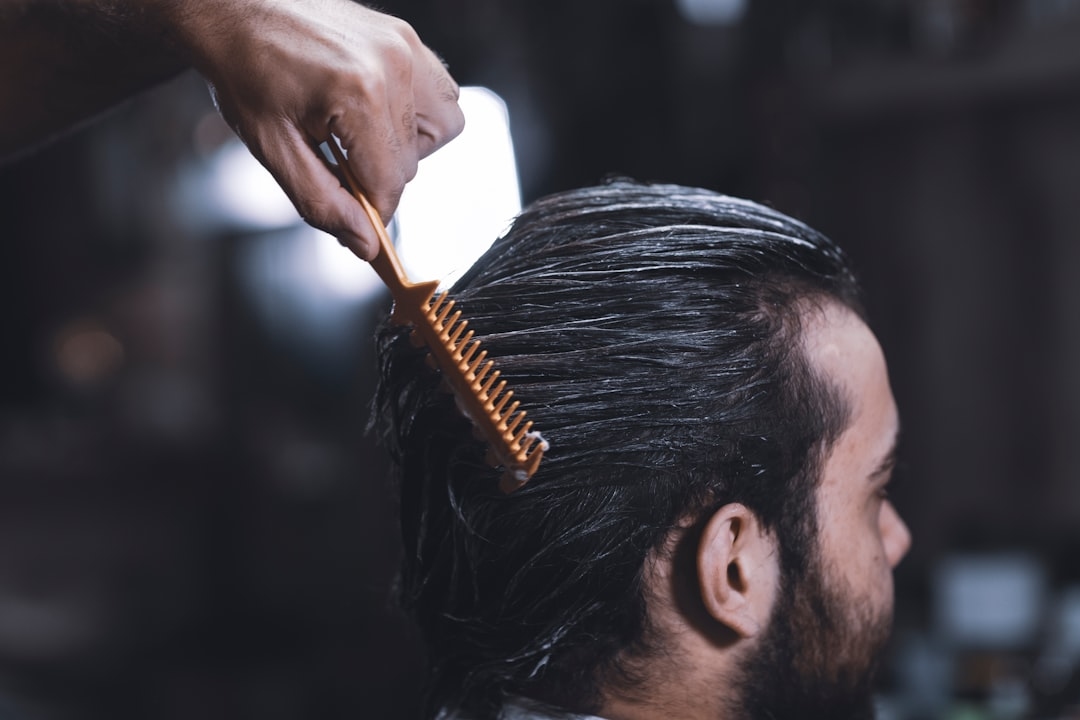
- Comb through gently to distribute evenly
- Leave for 20-30 minutes (longer for severely damaged hair)
- Shampoo thoroughly twice—once to remove oil, once to remove residue
Do this weekly for 4 weeks, then reduce to fortnightly. Results accumulate; your hair becomes progressively smoother and shinier.
For Daily Application
Use 2-3 drops maximum on damp hair ends only. Never apply to roots. Distribute through fingertips first, then run through ends. This prevents the greasy appearance that deters people from using oil at all.
For Scalp Care (If Needed)
Some scalps are dry and benefit from argan oil massage. Apply 5ml to fingertips and massage into scalp using circular motions for 2 minutes, once weekly. This improves scalp health and can reduce flaking or itching. Shampoo normally the next day.
Sustainability and Ethical Considerations
Argan oil production has complex environmental implications. Ethical argan oil producers employ Moroccan women fairly, preserve traditional harvesting methods, and support forest conservation. Unethical producers exploit workers and deplete argan forests unsustainably.
When purchasing argan oil, look for Fair Trade certification or transparent sourcing information. Brands like Radiance or Tree of Life publish supply chain details. These products cost £1-£2 more but support sustainable livelihoods and environmental protection in Morocco.
Silicone-based commercial products, while effective cosmetically, have significant environmental costs: silicones don’t biodegrade, they accumulate in soil and water, and they’re manufactured from petroleum. If sustainability matters to you, pure Fair Trade argan oil is the more ethical choice.
FAQ: Moroccan Oil and Hair Care Questions
How often should you use Moroccan oil on your hair?
Use weekly as a mask treatment for damaged or dry hair. For daily application, use sparingly on ends only, 2-3 times weekly maximum. Never apply Moroccan oil more than 3 times weekly to roots, as this causes buildup and scalp irritation. Frequency depends on your hair type: coarse hair tolerates weekly use; fine hair rarely needs more than bi-weekly.
Does Moroccan oil repair damaged hair permanently?
No oil can repair damaged hair permanently—damage is permanent until that section grows out and is cut. However, argan oil seals the cuticle and prevents further damage, making damaged hair look and feel healthier while it grows. It’s protection and conditioning, not actual repair.
Can you use Moroccan oil on wet or dry hair?
Both work, but differently. Apply to damp (not dripping wet) hair for best absorption—water helps the oil penetrate the hair shaft. Applying to completely dry hair leaves it on the surface, creating a greasy appearance without benefit. Avoid applying to soaking wet hair; excess water prevents oil absorption.
Does Moroccan oil make your hair greasy?
Overuse causes greasiness. Use the correct quantity: 2-3 drops for daily application, 1-2 tablespoons for weekly masks. If your hair feels greasy after application, you used too much. Wash it out and try again with less product. Fine hair especially requires restraint—what feels like an appropriate amount usually is too much.
Is pure argan oil better than commercial Moroccan oil products?
For scientific efficacy and sustainability, yes. Pure argan oil contains actual argan oil with proven benefits. Commercial brands contain minimal argan oil and rely on silicones for effect. However, commercial products are easier to use and absorb faster. Choose based on priorities: cost-effectiveness and sustainability favour pure oil; convenience and pleasant feel favour commercial products.
Your Next Step: Making the Right Choice
If your hair is coarse, curly, or damaged, try pure argan oil as a weekly mask (cost: £8-£15 upfront, lasts months). Start with minimal quantities—2-3 drops feel insufficient but work; more creates greasiness. If fine-haired, skip Moroccan oil and explore lightweight alternatives. Give any product 4 weeks of consistent use before judging effectiveness; hair benefits compound gradually. When you find your product match, the investment in healthier, shinier hair becomes obvious.