Contents:
- Why Getting Your Hair Wash Routine Right Matters
- How to Wash Hair Properly: Step-by-Step
- Step 1: Choose the Right Water Temperature
- Step 2: Apply Shampoo Strategically
- Step 3: Rinse Thoroughly
- Step 4: Apply Conditioner Correctly
- Step 5: Final Rinse and Optional Cool Finish
- Common Mistakes to Avoid
- Frequency: How Often Should You Wash?
- Tailoring Your Technique for Different Hair Types
- Fine or Thin Hair
- Thick or Coarse Hair
- Curly or Textured Hair
- Colour-Treated Hair
- The Role of Water Quality
- Tools and Techniques for Better Results
- FAQ: Common Questions About Washing Hair Properly
- How long does it take to see improvement in my hair after improving my wash routine?
- Can I use the same shampoo and conditioner indefinitely?
- Is it bad to wash hair in cold water?
- What’s the difference between “clarifying” and regular shampoo?
- Is there a best time of day to wash hair?
- Your Path Forward
Quick Answer
Wash your hair 2-3 times weekly with lukewarm water (around 35-40°C). Use shampoo concentrated at the scalp, condition mid-lengths to ends, and rinse thoroughly. The entire process should take 5-8 minutes. Most people damage hair through over-washing, using water that’s too hot, or neglecting to rinse properly.
Over 60% of people admit they don’t wash their hair correctly, yet the solution isn’t complicated. Proper hair washing is fundamentally about understanding what your scalp and strands actually need, not following outdated advice or marketing claims. The difference between a mediocre wash and a truly effective one often comes down to temperature, timing, and technique—simple changes that deliver remarkable results.
Why Getting Your Hair Wash Routine Right Matters
Your hair wash routine sets the foundation for everything else. If you’re investing in expensive conditioners or treatments but your washing technique is flawed, you’re undermining the entire process. Proper washing removes buildup, distributes natural oils evenly, and prepares your hair to absorb beneficial products. The scalp, in particular, needs attention—it produces sebum to protect and nourish each strand, but buildup prevents this process from working efficiently.
Most people either wash too frequently or use water that’s far too hot. Frequent washing strips away protective oils, forcing your scalp to overproduce sebum as compensation. Hot water opens the hair cuticle excessively, leading to moisture loss and frizz. These habits compound over time, creating the very problems people are trying to solve. By adjusting three key variables—frequency, temperature, and technique—you’ll notice visible improvements within 2-3 weeks.
How to Wash Hair Properly: Step-by-Step
Step 1: Choose the Right Water Temperature
Water temperature matters far more than most people realise. Lukewarm water between 35-40°C is ideal; this is roughly the temperature of a comfortable bath rather than a hot shower. Hot water temporarily raises the pH of your scalp and opens hair cuticles, making them vulnerable to damage. If you shower in very hot water for other reasons, at least finish with a cool rinse—even 10-15 seconds of cooler water helps seal the cuticle and boosts shine.
Start your wash with lukewarm water to wet your hair thoroughly, taking 30-60 seconds. This pre-rinse removes surface dust and allows shampoo to work more effectively. Don’t skip this step thinking you’ll save water; a proper pre-rinse actually makes your shampoo more efficient.
Step 2: Apply Shampoo Strategically
Where you apply shampoo makes a significant difference. The scalp produces natural oils, so it needs proper cleansing, but your hair lengths don’t produce sebum and therefore need a gentler approach. Dispense a coin-sized amount of shampoo (about 5ml for average-length hair) into your palm, dilute it slightly with water, and massage it directly onto your scalp using your fingertips.
Use gentle circular motions, not aggressive scratching. Massage for 60-90 seconds, covering the entire scalp systematically—front hairline, crown, sides, and nape. This duration allows the shampoo to break down buildup without stripping natural oils. Your fingernails should never touch your scalp; this can cause micro-abrasions that lead to irritation and increased oil production. If you have longer hair, let the shampoo lather run through the lengths naturally without scrubbing them.
Step 3: Rinse Thoroughly
Thorough rinsing is where most people fall short. Shampoo residue left in your hair causes dullness, flakiness, and can trap moisture, leading to breakage. Rinse under flowing water for at least 30-60 seconds—longer for longer or thicker hair. Run your fingers through your hair to ensure water penetrates every layer. The rinse water should run completely clear; if you can still see soap, keep rinsing. This single step determines whether your entire routine succeeds.
Step 4: Apply Conditioner Correctly
Conditioner has a completely different job from shampoo. While shampoo cleanses the scalp, conditioner protects and hydrates hair lengths. Apply conditioner only to the mid-lengths and ends of your hair, never to the scalp itself. For shoulder-length hair, start applying about 5 inches from the roots; for longer hair, keep at least 2 inches of space from the scalp.
Use about a 10p coin-sized amount (roughly 3-5ml). Distribute it evenly and leave it on for 2-3 minutes—this contact time allows the conditioning agents to penetrate. If your hair is particularly dry, use more product and extend the time to 5 minutes. If your hair is fine or thin, reduce both the amount and time to avoid looking limp.
Step 5: Final Rinse and Optional Cool Finish
Rinse the conditioner completely with lukewarm water, again taking 30-60 seconds. Conditioner residue causes buildup and weighs hair down. For a professional-level finish, use a final cool-water rinse (around 15-20°C) for 10-15 seconds. This seals the cuticle layer, enhancing shine and smoothness significantly. You don’t need to dunk your entire head; running cool water while you run fingers through your hair is sufficient.
Common Mistakes to Avoid
- Washing every day: Daily washing strips your scalp’s natural protection. Even oily hair adapts when you extend to 2-3 days between washes. The first 3-5 days feel greasier as your scalp rebalances, but improvement follows.
- Using water that’s too hot: Beyond 45°C, damage accelerates. Many people turn showers hotter at the end of their routine without realising it affects their hair.
- Piling hair on top of your head: This encourages tangles and breakage. Keep hair down or loosely gathered during washing.
- Conditioning the scalp: This clogs pores and creates an oily appearance within 24 hours. Conditioner belongs only on hair lengths.
- Rushing the rinse: Leftover product is the fastest way to undo your entire routine. Budget extra time for rinsing.
- Using the same routine for everyone: Hair porosity, density, and scalp oiliness vary significantly. What works for one person may not work for another.
Frequency: How Often Should You Wash?
The ideal washing frequency depends on your hair type and scalp condition. Most people achieve best results washing 2-3 times weekly. Fine or thin hair with a greasy scalp might benefit from 2-3 days between washes, while coarser, drier hair can sometimes stretch to 5-7 days. Colour-treated hair should be washed no more than twice weekly to preserve colour vibrancy and minimize damage.
If you currently wash daily and want to transition, do so gradually. Skip one wash day, then two, then make it your new routine. Your scalp will initially overproduce oil—this is temporary adjustment, not a sign your plan isn’t working. By week three, most people report their hair actually feels cleaner and fresher, with improved texture and less frizz.
Tailoring Your Technique for Different Hair Types
Fine or Thin Hair
Use a gentle shampoo formulated for delicate hair—these contain lower concentrations of surfactants. Shampoo less frequently if possible (even twice weekly is sufficient). Use minimal conditioner, applying it only to the very ends. A light conditioner or leave-in treatment works better than heavy cream conditioners. Don’t massage vigorously; use gentle pressure to avoid damaging delicate strands.
Thick or Coarse Hair
You can use slightly warmer water (up to 42°C) and massage more thoroughly. A clarifying shampoo once monthly removes buildup more effectively. Use generous amounts of conditioner and leave it on for the full 3-5 minutes. A leave-in conditioner or oil treatment post-wash helps manage frizz and improves manageability. This hair type typically tolerates slightly more frequent washing without becoming damaged.
Curly or Textured Hair
Minimise disruption to curl pattern by washing less frequently—once or twice weekly. Use a sulphate-free shampoo or co-wash (conditioner wash) to avoid disrupting curls. Apply conditioner generously and use it as a detangling medium, gently working through knots with your fingers. Consider plopping (wrapping hair in a towel) or microfibre cloths instead of regular towel drying, which causes frizz and breakage.
Colour-Treated Hair
Wait 48-72 hours after colouring before washing, allowing colour molecules to fully set. Wash no more than twice weekly using lukewarm water (closer to 35°C) with colour-safe shampoo and conditioner. These products contain lower concentrations of stripping agents. Limit washing time and be especially careful during the rinse stage to preserve colour intensity.
The Role of Water Quality
Hard water—high in minerals like calcium and magnesium—affects how shampoo and conditioner work. If you have hard water, you might notice buildup, dullness, or difficulty lathering shampoo properly. A shower filter (costing £15-40) can reduce mineral content significantly. Alternatively, a final rinse with distilled water or a mixture of water and a small amount of white vinegar (1 tablespoon per litre) removes mineral residue effectively. Some people use this apple cider vinegar rinse monthly as maintenance; it doesn’t smell unpleasant once hair dries.
Tools and Techniques for Better Results
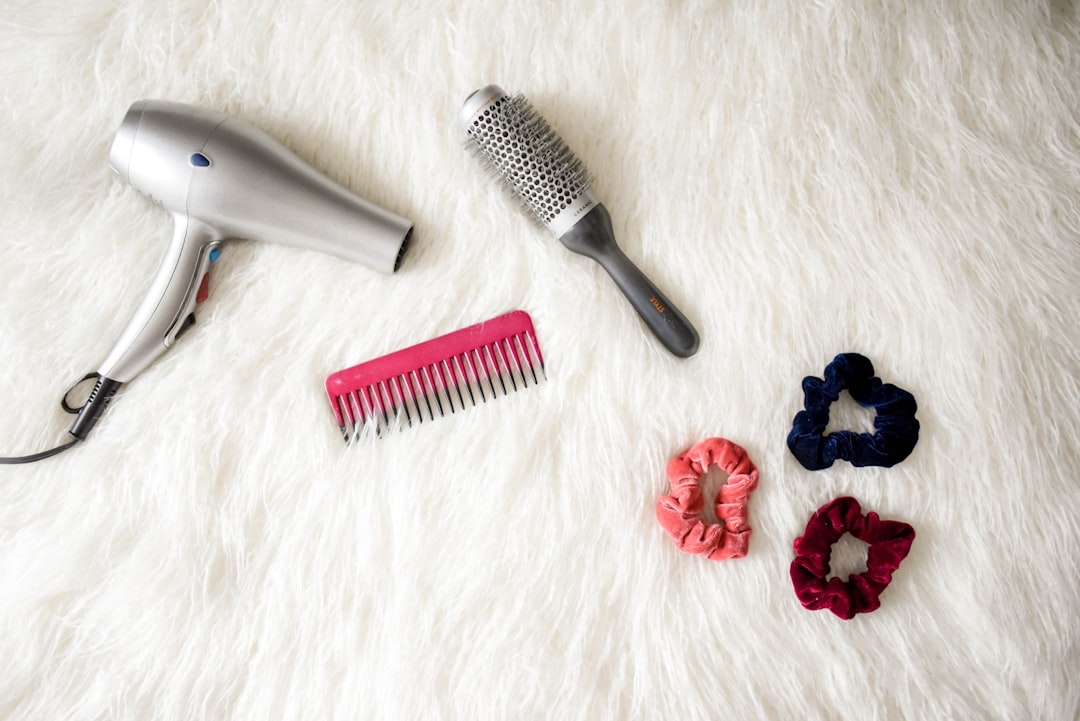
You don’t need expensive equipment, but the right approach helps. Invest in a scalp massage brush (£5-15)—it improves circulation and removes buildup more effectively than fingers alone. Use gentle, circular motions for 60-90 seconds. Choose a shampoo brush with soft bristles; hard bristles can damage the scalp and create micro-abrasions.
For drying, microfibre towels or cotton T-shirts are gentler than regular towels, which create friction and cause frizz. Squeeze water out gently rather than rubbing vigorously. If you blow-dry, use a heat-protectant spray and keep the dryer on a lower heat setting (around 65-70°C). Finish with cool air to seal the cuticle.
FAQ: Common Questions About Washing Hair Properly
How long does it take to see improvement in my hair after improving my wash routine?
Most people notice visible improvement within 2-3 weeks. Frizz reduces and shine increases relatively quickly as your scalp balances its oil production. Significant structural improvements (reduced breakage, stronger lengths) take 4-8 weeks as new healthy hair grows. For colour or damaged hair, give it 6-12 weeks, as improvement accumulates gradually.
Can I use the same shampoo and conditioner indefinitely?
Hair can adapt to products, resulting in diminishing effectiveness—a phenomenon some call “product fatigue.” Rotate to a different product every 2-3 months, even if you love your current one. You can return to it later and appreciate its benefits again. Alternatively, using the same shampoo with different conditioners, or vice versa, provides variation while maintaining consistency.
Is it bad to wash hair in cold water?
Cold water (below 20°C) is fine as a final rinse, but lukewarm is preferable for the main wash because it’s more comfortable and allows shampoo to work more effectively. Very cold water can make hair feel stiff and can be uncomfortable for scalp circulation. A cool final rinse is ideal, but cold throughout the entire wash isn’t necessary.
What’s the difference between “clarifying” and regular shampoo?
Clarifying shampoos contain stronger cleansing agents and remove heavy buildup from hard water, product accumulation, or mineral deposits. They’re more drying than regular shampoos. Use a clarifying shampoo once monthly if you have buildup issues, or every 4-6 weeks as maintenance. Use a regular shampoo the rest of the time to avoid over-stripping. If you have colour-treated hair, clarify infrequently as these shampoos can fade colour.
Is there a best time of day to wash hair?
There’s no scientifically optimal time, but washing at night allows hair to dry completely before sleep, reducing friction and breakage. If you must wash in the morning, allow at least 30-60 minutes before leaving home so hair dries completely. Going outside with damp hair in cold weather can slightly weaken hair temporarily. Your lifestyle and schedule matter more than timing.
Your Path Forward
Mastering how to wash hair properly isn’t about complexity or expensive products—it’s about consistency and understanding the fundamentals. Adjust your water temperature, massage your scalp properly, rinse thoroughly, and condition only the lengths. These changes alone deliver noticeable improvement. Track which adjustments work best for your specific hair type, then refine from there. Within a month, you’ll understand your hair better than ever, and the results will speak for themselves.