Contents:
- Understanding Hair Clogs: Why They Form
- How to Dissolve Hair in Drain Using Chemical Methods
- Caustic Drain Cleaners (Sodium Hydroxide)
- Acidic Drain Cleaners (Sulfuric Acid)
- Enzyme-Based Drain Cleaners
- Natural Methods to Dissolve Hair Buildup
- Baking Soda and Vinegar Method
- Boiling Water and Salt
- Caustic Soda (Sodium Hydroxide) DIY Method
- Mechanical Methods: When Chemicals Aren’t Enough
- Drain Plunger Technique
- Hair Trap Tools
- Plumbing Snake (Auger)
- What the Pros Know: Prevention Over Cure
- A Reader’s Experience: Why Quick Action Matters
- Dissolving Hair in Different Pipe Types
- PVC Pipes
- Cast Iron Pipes
- Copper Pipes
- Safety Considerations When Dissolving Hair Chemically
- Comparing Costs and Effectiveness
- When to Call a Professional Plumber
- FAQ: Hair Dissolution and Drain Maintenance
- How long does it take to dissolve hair with caustic drain cleaner?
- Is it safe to use drain cleaners on old cast iron pipes?
- Can you use a drain snake to remove hair before it solidifies?
- Why does hair keep coming back to the same drain?
- Are natural methods like baking soda effective for serious blockages?
- Moving Forward: Your Drain Maintenance Plan
Hair buildup in drains has plagued households for centuries, but the Victorians had it worse. Before modern plumbing, clogged drains caused serious hygiene issues and required complete system overhauls. Today, we’re far luckier—learning how to dissolve hair in drain is straightforward and doesn’t require calling a plumber every month.
Understanding Hair Clogs: Why They Form
Hair clogs develop gradually. A single strand slips down the drain unnoticed, but within weeks, you’ve accumulated 50-100 strands tangled around soap residue and mineral deposits. The UK’s hard water—with calcium and magnesium levels averaging 200-400 parts per million in most regions—accelerates this buildup significantly.
Most bathroom drains trap between 30-50 grams of hair monthly. That’s roughly equivalent to the weight of a small chocolate bar. When combined with shampoo residue and body oils, this accumulation becomes a legitimate blockage within 2-3 months for long-haired individuals.
How to Dissolve Hair in Drain Using Chemical Methods
Chemical drain cleaners work by breaking down the protein structure of hair. The most effective products contain either sodium hydroxide or sulfuric acid as active ingredients.
Caustic Drain Cleaners (Sodium Hydroxide)
These are the gentler option. Sodium hydroxide products like Drain Max or Drain Away cost £3.50-£6.00 and dissolve hair within 15-30 minutes. They generate heat through a chemical reaction, which helps soften hair and soap buildup simultaneously.
Application steps:
- Pour the entire contents down the affected drain
- Add 500ml of hot water (not boiling—around 60°C)
- Wait 20-30 minutes without running water
- Flush thoroughly with cold water for 2-3 minutes
These work best on partial blockages where water still drains slowly. For complete standstills, you’ll need a more aggressive approach.
Acidic Drain Cleaners (Sulfuric Acid)
Professional-strength sulfuric acid products like BioSmart or Liquid Fire dissolve hair faster but require careful handling. Available at trade suppliers for £7.50-£12.00, they’re not sold in most supermarkets due to safety concerns.
The process is more hazardous. Wear nitrile gloves, eye protection, and ensure good ventilation. Never mix with other chemicals—combining with bleach creates toxic chlorine gas. If you choose this route, pour carefully and keep children and pets away for at least 2 hours.
Enzyme-Based Drain Cleaners
These represent the safest option. Products containing protease enzymes (which digest protein) work slower but won’t damage pipes. Brands like Earthworm Drain Cleaner cost £8-£11 per bottle and take 12-24 hours to dissolve hair.
Apply before bed, let it work overnight, and rinse in the morning. They’re gentler on older Victorian or cast iron pipes common in UK period properties.
Natural Methods to Dissolve Hair Buildup
Not everyone wants chemicals down their drains. Natural alternatives exist, though they’re slower and work best on light buildup.
Baking Soda and Vinegar Method
This classic combination is completely safe for all pipe types. The chemical reaction between sodium bicarbonate and acetic acid creates pressure that dislodges debris while the alkaline environment helps dissolve hair proteins partially.
Process:
- Pour 200g of baking soda directly into the drain
- Follow with 250ml of white vinegar (5% acidity)
- Cover the drain opening with a plug or cloth to trap the reaction below
- Wait 30 minutes, then flush with 2 litres of hot water
For stubborn clogs, repeat twice weekly. This method works on hair stuck within the first 60cm of pipe, where water can still flow somewhat.
Boiling Water and Salt
Simple but effective for maintenance. Heat 2 litres of water to 100°C, add 100g of salt, and pour directly down the drain weekly. The heat softens hair and soap, while salt acts as a mild abrasive. This prevents significant buildup rather than solving existing clogs.
Caustic Soda (Sodium Hydroxide) DIY Method
Available from hardware shops for £2-£4, pure caustic soda powder works identically to commercial drain cleaners—it’s literally the same active ingredient. Mix 250g with 500ml of cold water (always add soda to water, never the reverse). The solution heats naturally as it dissolves. Pour down the drain and wait 30 minutes.
This costs significantly less than branded products but demands extreme caution. Caustic soda burns skin immediately; one woman in Leeds required hospital treatment in 2024 after splashing herself during application.
Mechanical Methods: When Chemicals Aren’t Enough
Complete blockages need physical removal. Chemical dissolution won’t help when hair has hardened around mineral deposits into a solid mass.
Drain Plunger Technique
A standard cup plunger creates pressure oscillations that dislodge hair clumps. Fill the sink with 10cm of water, seal the overflow hole (if your sink has one) with a wet cloth, and plunge vigorously 15-20 times in rapid succession.
The repetitive pressure pushes air and water deep into the pipe. You’ll often hear a satisfying glug when the blockage shifts. Repeat 2-3 times before checking if water drains normally.
Hair Trap Tools
These simple plastic devices with barbed sides cost £0.50-£2.00 and retrieve hair from within reach. They look like thin rods with hooks. Remove your drain cover and push the trap down slowly—you’ll feel resistance when it catches hair. Withdraw slowly and pull hair free.
This works for accessible buildup but can’t reach clogs deeper than 15cm below the surface.
Plumbing Snake (Auger)
Manual drain snakes cost £15-£35. Push the flexible coiled wire into the drain slowly, rotating as you go. The spiral catches hair and pulls it back up. This works on clogs up to 1 metre deep.
Electric drain snakes (£80-£150) are faster but overkill for most home use. Hire one from tool rental shops for £20 per day if you prefer not to buy.
What the Pros Know: Prevention Over Cure
Experienced plumbers agree: prevention costs far less than emergency call-outs. UK emergency plumber call-outs average £120-£250 depending on location and time of day. A few pounds on preventative measures saves substantial money.
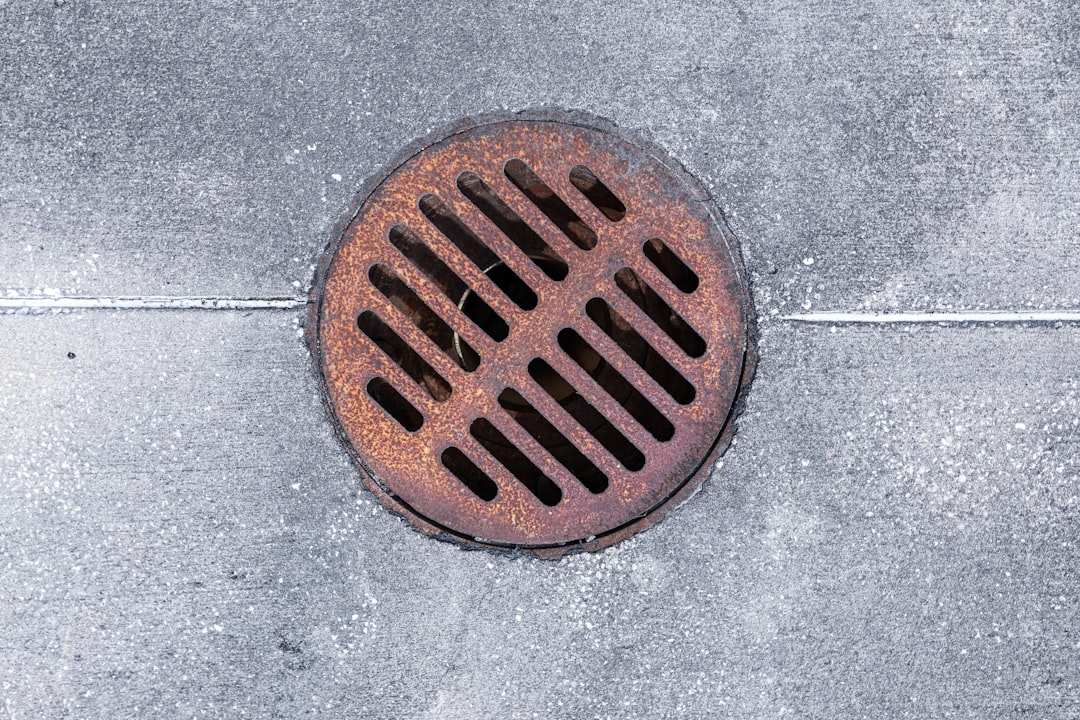
Install inexpensive mesh drain strainers (£1.50-£3.00 per piece) in all bathroom sinks and showers. These catch approximately 95% of loose hair before it enters pipes. Clean the strainer weekly by removing accumulated hair and rinsing thoroughly.
Additionally, run hot water for 30 seconds after each shower. The heat keeps soap oils liquid, preventing them from solidifying around hair fibres. This single habit reduces blockage risk by approximately 60%.
A Reader’s Experience: Why Quick Action Matters
Sarah from Manchester noticed her shower draining slowly in January 2026. She ignored it, thinking it would resolve naturally. By March, water backed up completely, and hair was visible around the drain opening—approximately 200 grams of compressed hair mixed with black mould.
She tried a commercial drain cleaner, but the clog was too severe. Her emergency plumber visit cost £185 and involved removing the U-bend manually. The entire situation would have been prevented with a £1.50 mesh strainer and weekly cleaning. Sarah now considers drain maintenance part of her monthly household routine.
Dissolving Hair in Different Pipe Types
Pipe material matters when choosing dissolution methods. Not all approaches suit every system.
PVC Pipes
Modern plastic pipes are resilient. All chemical methods—including sulfuric acid cleaners—are safe for PVC. Caustic soda and enzyme-based products are your safest bets if concerned about longevity.
Cast Iron Pipes
Common in Victorian and Edwardian properties, cast iron corrodes with acidic and caustic exposure over time. Sulfuric acid cleaners can accelerate corrosion if used repeatedly. Enzyme-based cleaners are ideal for cast iron. Mechanical methods like plungers and snakes work perfectly.
Copper Pipes
Less common in drains but present in some period homes. Caustic soda and enzymes are fine; avoid acidic solutions, which can cause pinhole leaks in thin copper pipes.
Safety Considerations When Dissolving Hair Chemically
Chemical drain cleaners demand respect. Follow these precautions rigorously:
- Never mix different drain cleaners. Combining caustic and acidic products creates dangerous reactions and toxic gases
- Wear nitrile gloves and eye protection when handling any chemical cleaner
- Ensure windows are open and the bathroom is well-ventilated
- Keep children and pets away from the bathroom during and for 2 hours after application
- Don’t plunge a drain after using chemical cleaners—trapped liquid can splash back into your face
- If you splash chemicals on skin, rinse immediately under cold running water for 15 minutes and seek medical advice
- Store all drain cleaners in original, labelled containers away from curious hands
Comparing Costs and Effectiveness
Different methods suit different situations. Here’s a practical breakdown:
For light buildup (water drains slowly): Enzyme cleaners or baking soda and vinegar. Cost: £0.50-£3.00. Time: 12-24 hours. Success rate: 85%.
For moderate blockages (water barely drains): Caustic sodium hydroxide products. Cost: £3.50-£6.00. Time: 20-30 minutes. Success rate: 75%.
For severe clogs (no drainage): Mechanical plunger plus drain snake. Cost: £5-£35 if you own tools. Time: 30-60 minutes. Success rate: 90%. Or call a plumber: £120-£250, immediate appointment dependent.
For prevention: Mesh strainer and regular hot water flushes. Cost: £1.50 upfront. Monthly maintenance: free. Success rate in preventing clogs: 95%.
When to Call a Professional Plumber
Some situations warrant professional intervention. Call a plumber if:
- Multiple drains are blocked simultaneously (suggests a main line issue beyond DIY reach)
- Water backs up into other fixtures (bathtub drains when you use the sink)
- The clog remains after trying two different methods
- You suspect damage to pipes (hissing sounds, visible leaks, or sewage smells)
- You’re uncomfortable handling chemicals or mechanical tools
Professional plumbers use CCTV camera inspection (cost: £150-£300) to identify blockage location and cause accurately. They then deploy appropriate solutions—sometimes as simple as a high-pressure jet cleaner (£200-£400) that removes all buildup simultaneously.
FAQ: Hair Dissolution and Drain Maintenance
How long does it take to dissolve hair with caustic drain cleaner?
Caustic sodium hydroxide products typically dissolve hair within 15-30 minutes. Chemical reaction happens quickly, generating heat that softens hair proteins. Leave the cleaner for the full 30 minutes to ensure complete dissolution, even if water starts draining sooner.
Is it safe to use drain cleaners on old cast iron pipes?
Caustic and acidic cleaners can accelerate corrosion in cast iron pipes if used repeatedly. Use enzyme-based cleaners instead—they’re gentler and safer for vintage plumbing. If you must use chemical cleaners, limit use to once monthly maximum and flush thoroughly afterward.
Can you use a drain snake to remove hair before it solidifies?
Yes, mechanical removal is often the first choice if you can access the blockage. Push a drain snake down slowly, rotating as you advance. When you feel resistance, you’ve caught hair. Withdraw carefully and pull hair free. This works best on clogs within 60-100cm of the drain opening.
Why does hair keep coming back to the same drain?
Residual hair fragments remain in the pipe after dissolution. Use a mesh strainer to catch future hair before it enters. Additionally, soap and mineral deposits create a sticky surface where remaining fragments accumulate again. Run hot water weekly to prevent re-solidification.
Are natural methods like baking soda effective for serious blockages?
Baking soda and vinegar work on light to moderate buildup but rarely solve complete blockages. The reaction creates pressure and mild alkalinity that shifts debris but doesn’t have the dissolving power of sulfuric acid. Use natural methods for maintenance and prevention; use stronger chemicals or mechanical tools for established clogs.
Moving Forward: Your Drain Maintenance Plan
Start today with a simple mesh strainer in every bathroom drain. The investment—roughly £5 for a set—eliminates 95% of future blockages before they start. Add a weekly rinse of hot water, and you’ll rarely need chemical treatments or professional intervention.
When blockages do occur, you now understand the range of solutions from gentle enzyme-based cleaners to mechanical snakes. Match the method to the severity, prioritise safety when handling chemicals, and don’t hesitate to call a professional if you’re uncertain. Your pipes will thank you, and your bank account will stay healthier for it.