Contents:
- How Mousse Works on Damp Hair vs. Dry Hair
- Can You Use Mousse on Dry Hair? Yes, With Caveats
- Best Techniques for Applying Mousse to Dry Hair
- The Targeted Application Method
- The Damp-Root Method
- The Texture Refresh Method
- Common Mistakes to Avoid
- Budget Breakdown: Mousse Cost and Value
- Mousse on Dry Hair by Hair Type
- Fine or Thin Hair
- Thick or Coarse Hair
- Curly or Textured Hair
- Frequently Asked Questions
- Is it better to use mousse on damp or dry hair?
- Can you use mousse on completely dry hair without any damp?
- Does mousse damage dry hair?
- What’s the difference between mousse and hairspray?
- Can I apply mousse on dry hair and then blow-dry?
Quick Answer Box: Yes, you can use mousse on dry hair, but the technique and timing matter enormously. Mousse works best when applied to damp (not fully dry) hair immediately after washing, but in a pinch, it can be applied to dry hair using specific methods. The results differ significantly depending on your approach.
Back in the 1980s, mousse was the styling product. Everyone used it—big, voluminous hair was the goal, and mousse delivered. The product became so popular that hairstylists developed techniques to use it in dozens of ways. One persistent question has stayed relevant for decades: can you actually use mousse on dry hair effectively?
The short answer is yes, but there’s a technique to it. Applying mousse on dry hair isn’t wrong; it’s just different from the traditional damp-hair method. This guide explains exactly how to use mousse on dry hair to get the results you want without the budget-busting cost of frequent salon visits.
How Mousse Works on Damp Hair vs. Dry Hair
Mousse is a foam product designed to provide volume, hold, and texture. Its lightness makes it ideal for fine or thin hair because it doesn’t weigh strands down like heavier gels or creams do. The magic happens in the formula: mousse contains polymers (styling agents) suspended in a water and alcohol base that set as they dry.
When applied to damp hair, mousse spreads easily, absorbs water from the hair, and sets as the water evaporates. The polymers coat each strand and create a “scaffold” of hold and volume that locks in as the hair dries completely. This is why damp-hair application is the textbook method—the mousse has moisture to work with and can distribute evenly.
On dry hair, the dynamic changes. Dry hair has a closed cuticle and less moisture for the mousse to interact with. The polymers sit on the outside of the hair shaft rather than settling between strands. This can mean less even distribution and sometimes visible flakiness if you use too much product.
Can You Use Mousse on Dry Hair? Yes, With Caveats
Mousse on dry hair is absolutely possible, but results depend on your hair type and the mousse formula you choose. Fine, thin, or curly hair responds well to dry-hair mousse application because it adds volume and definition without weighing strands down. Thick, straight hair may look less polished because mousse struggles to grip and hold heavy strands without moisture.
The technique matters more than the product. Using a light hand and applying mousse in small sections produces better results than dumping a handful on your crown. Budget-conscious readers particularly benefit from this approach because one can of mousse stretches further when you use strategic application instead of full-head coverage.
Real-world example: Sarah, a London-based office worker, discovered that applying mousse to her dry hair at 8:45 AM (just before her commute) gave her second-day texture and volume without needing a full wash. She uses about quarter of a can weekly instead of half a can with the traditional damp method, stretching her £5 can of supermarket mousse to last 8 weeks instead of 4.
Best Techniques for Applying Mousse to Dry Hair
The Targeted Application Method
Skip applying mousse all over. Instead, apply it only to areas where you need volume or texture: the crown, roots, or specific sections that fall flat. Use about a grapefruit-sized dollop (roughly 50ml) and focus application there. Work it through with your fingers, scrunching upward to create lift.
This method uses 40–50% less product than full-head application and works because you’re concentrating mousse where it matters most. For fine hair especially, this prevents the product buildup that makes hair look dull.
The Damp-Root Method
If you have 2–3 minutes, lightly mist the roots and mid-lengths of your hair with a spray bottle. Just enough to make the hair slightly damp, not wet. Then apply mousse and blow-dry or let air dry. The small amount of moisture helps mousse distribute and set more evenly than on completely dry hair. This hybrid approach gives you damp-hair results in dry-hair timing.
The Texture Refresh Method
For second or third-day hair that needs refreshing, apply a small amount of mousse (roughly 30ml) to your hands, rub them together, and rake your fingers through your hair from roots to ends. This doesn’t create volume from scratch but adds grip and definition to existing texture. Combine with a light-hold hairspray (£3–£5 at Boots) for all-day staying power.
Common Mistakes to Avoid
Using too much product: A fist-sized amount of mousse on dry hair creates flakiness and makes hair look stiff or greasy-looking. A grapefruit-sized dollop is the maximum. Less is truly more with dry-hair application.
Applying to fully dried hair after a blow-dry: Mousse works better on slightly air-dried hair (still slightly warm to touch) than completely cold, dry hair. If your hair’s been dry for hours, the mist-and-apply method works better.
Forgetting to rub mousse between your hands first: Applying mousse directly from the can creates clumpy distribution. Always dispense into your palms, rub your hands together to break up the foam, then apply. This simple step transforms results dramatically.
Not using a light-hold hairspray: Mousse alone provides moderate hold on dry hair. Without a hairspray finish, style longevity drops to 3–4 hours. Pair mousse with a light hairspray for 6–8 hour hold.
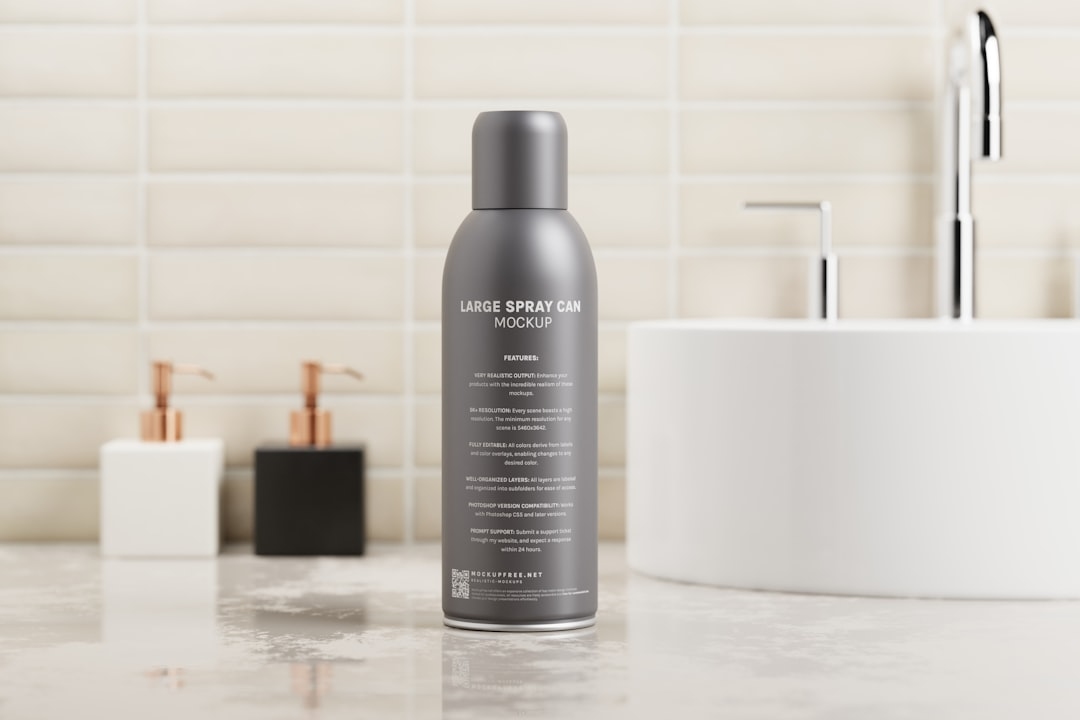
Choosing the wrong mousse formula: Volumising mousse works best on dry hair because it’s designed to lift and separate strands. Thickening or strengthening mousses (formulated for damp hair) may look sticky or uneven on dry hair.
Budget Breakdown: Mousse Cost and Value
Here’s what you spend monthly on mousse styling in the UK:
- Supermarket mousse (Boots own-brand, Superdrug B. range): £2.50–£4 per can, lasts 4 weeks with traditional damp-hair application
- Mid-range mousse (Schwarzkopf, Wella): £5–£7 per can, lasts 5–6 weeks
- Premium mousse (Bumble and bumble, Oribe): £18–£24 per can, lasts 6–8 weeks but much pricier
- Using dry-hair application: extends lifespan by 50–100%, so a £4 can becomes an 8-week product
A budget-conscious approach: buy supermarket mousse (£3 per can) and use the dry-hair targeted method. Your monthly styling cost is £1.50 instead of £3, saving £18 yearly.
Mousse on Dry Hair by Hair Type
Fine or Thin Hair
Mousse is your friend. Dry-hair application works particularly well because you can apply just to roots without weighing down delicate strands. Use volumising mousse and apply only to the crown and front sections.
Thick or Coarse Hair
Dry-hair mousse application is trickier because thick hair needs significant hold and texture to be shaped. You’re better off using damp-hair application for this hair type, or switching to a stronger-hold product like volumising spray or sea salt spray (£4–£8), which grips thick hair more effectively on dry hair.
Curly or Textured Hair
Mousse works beautifully on dry curls when applied with a scrunching motion. It adds definition and reduces frizz without crunch. Apply to damp curls, let air dry, or apply to dry curls if you’re refreshing second-day texture. This works because curls have natural texture that mousse can enhance.
Frequently Asked Questions
Is it better to use mousse on damp or dry hair?
Damp hair is the traditional, most reliable method because mousse distributes evenly and sets uniformly as moisture evaporates. Dry hair application is convenient and stretches product further but requires technique. For best results, use damp hair. For budget and convenience, dry hair works if you’re strategic.
Can you use mousse on completely dry hair without any damp?
Yes, but results are less predictable. Mousse sits on the surface of completely dry hair rather than integrating into it. Use targeted application (roots and crown only) with a light touch, then set with hairspray.
Does mousse damage dry hair?
No. Mousse is a lightweight, water-based foam that doesn’t contain harsh chemicals. It won’t damage dry hair, though excessive product buildup (from overuse) can make hair look dull. Use sparingly and clarify with a chelating shampoo monthly if buildup occurs.
What’s the difference between mousse and hairspray?
Mousse is a styling product that adds volume, texture, and light hold whilst drying. Hairspray is a finishing product that locks in style and provides stronger, longer-lasting hold. They work together—mousse first, hairspray after.
Can I apply mousse on dry hair and then blow-dry?
Yes, this works, though applying to damp hair and then blow-drying is slightly more effective. If you apply mousse to dry hair and immediately blow-dry, use low heat and a diffuser to avoid disturbing the product. Results are acceptable but not quite as polished as the damp-hair method.