Contents:
- The Grooming Bond: Why Cats Lick Hair in the First Place
- Scent Marking and Territorial Comfort
- The Stress-Relief Angle
- Natural Maternal Instincts and Pack Behaviour
- Health and Hygiene Considerations
- When to Seek Veterinary Advice
- Practical Tips for Managing Hair-Licking Behaviour
- Encourage and Redirect
- Create Sustainable Boundaries
- Environmental Enrichment
- Grooming Tools and Alternatives
- The Broader Message: Understanding Feline Affection
- FAQs About Cat Hair Licking
- Is it dangerous if my cat licks my hair?
- Why does my cat only lick my hair at night?
- Should I stop my cat from licking my hair?
- Does hair-licking mean my cat is stressed?
- Can I train my cat to groom my hair less frequently?
- Moving Forward With Your Feline Friend
Back in ancient Egypt, cats were revered as sacred animals, and their caretakers observed meticulous grooming rituals. The relationship between human and feline centred on mutual care and respect. Fast forward to 2026, and whilst our homes have changed, the fundamental reasons cats lick our hair remain rooted in those same deep instincts of companionship and belonging.
If your cat has started licking your hair—especially at night or during quiet moments together—you’re experiencing one of the most endearing yet puzzling cat behaviours. The answer to why does my cat lick my hair involves understanding feline communication, bonding, and natural instincts that go far deeper than simple grooming.
The Grooming Bond: Why Cats Lick Hair in the First Place
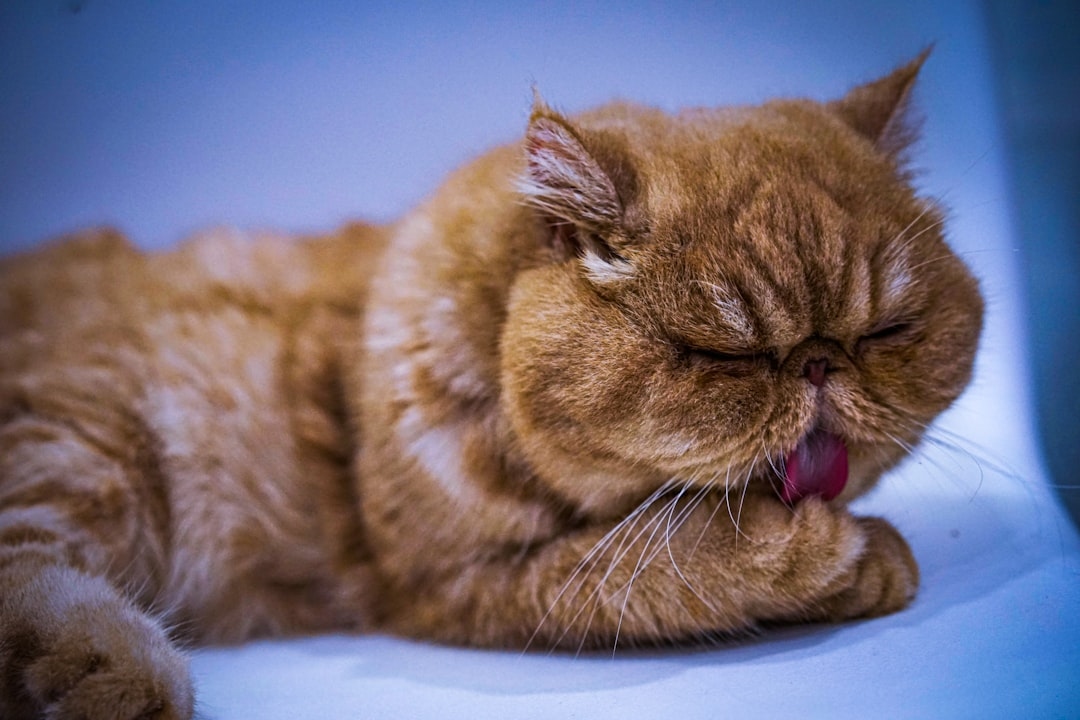
Cats spend approximately 30% to 40% of their waking hours grooming themselves. This isn’t vanity; it’s survival. Grooming keeps their fur insulated, removes parasites, and helps regulate body temperature. When a cat extends this behaviour to you, they’re extending their most intimate social ritual.
Consider Sarah’s experience with her rescue tabby, Mittens. After three months of patient handling and routine care, Mittens began licking Sarah’s hair whilst she worked at her desk. Sarah initially found it annoying, but a cat behaviourist explained that Mittens was reciprocating grooming—a behaviour called allogrooming. Mittens had bonded so deeply that she considered Sarah part of her social group and was reinforcing their relationship through this tactile gesture. This wasn’t random; it was deliberate affection shaped by trust built over months.
Your cat’s hair-licking behaviour signals that they’ve accepted you into their inner circle. They’re not trying to clean you—most cats recognise that your hair isn’t quite the same as theirs—but rather they’re performing a behaviour that strengthens social bonds within their family unit.
Scent Marking and Territorial Comfort
Cats possess scent glands throughout their body, particularly around their cheeks, paws, and flanks. When your cat licks your hair, they’re also mingling their saliva (which carries their unique scent) with your hair. This serves multiple purposes: marking you as part of their territory, creating a shared family scent, and building a sense of security.
Think of it as an olfactory hug. Cats navigate the world primarily through smell. By licking your hair, your cat is essentially saying: “You belong with me, and you carry my scent.” This behaviour intensifies when cats feel stressed or when they’re seeking reassurance. Some cats lick their owners’ hair more frequently during stormy weather or when household routines change.
The Stress-Relief Angle
Research indicates that cats engage in self-grooming as a stress-relief mechanism. When they extend this to you, it suggests they find your presence calming and that grooming you provides mutual comfort. This is particularly common in cats that have experienced earlier disruption or neglect.
Natural Maternal Instincts and Pack Behaviour
Mother cats groom their kittens extensively to keep them clean, stimulate circulation, and bond with them. Even as adults, cats retain these nurturing instincts. When a cat licks your hair, they might be displaying a maternal or quasi-parental behaviour toward you. Conversely, some cats lick their owners’ hair as a form of submission or deference, mimicking how subordinate cats in groups groom dominant individuals.
The pack behaviour aspect is subtle but real. Cats are more social than we once believed. Feline colonies develop complex social hierarchies, and grooming reinforces these bonds and status relationships. Your cat may be expressing trust in you as a leader or affection toward you as a cherished family member, depending on the broader context of your relationship.
Health and Hygiene Considerations
Whilst cat saliva has mild antimicrobial properties, allowing your cat to lick your hair does carry minor hygiene considerations. Cats lick their paws and bottoms, so their mouths do harbour bacteria. If you have open wounds on your scalp or are immunocompromised, limiting this behaviour is sensible.
For most people, occasional hair-licking is harmless. However, if your cat’s licking becomes obsessive—lasting more than 15 minutes or happening multiple times hourly—it may indicate underlying anxiety or a skin condition. Persistent excessive grooming can be a sign that your cat needs a behavioural assessment or veterinary check.
When to Seek Veterinary Advice
- Your cat licks your hair for extended periods (over 20 minutes continuously)
- The behaviour is accompanied by other signs of distress, such as over-grooming themselves or reduced appetite
- Your cat’s breath has an unusual odour, suggesting possible dental or health issues
- You notice your cat is isolating more than usual outside of grooming sessions
Practical Tips for Managing Hair-Licking Behaviour
Encourage and Redirect
If you enjoy the behaviour, reward it. Keep your hair accessible when you’re relaxed and receptive. Some owners find it deeply bonding to sit quietly with their cat whilst the animal grooms. This creates dedicated quality time—an investment in your relationship that costs nothing but attention.
Create Sustainable Boundaries
If excessive licking bothers you, redirect gently. Offer your cat an alternative grooming activity: brushing them with a soft-bristled brush, providing a grooming glove, or introducing a pet-safe grooming stone. These sustainable alternatives keep the bonding ritual alive whilst channelling it into behaviour you both enjoy.
Environmental Enrichment
Sometimes cats over-groom their owners because they lack environmental stimulation. A 2026 study of domestic cat behaviour found that cats with access to climbing structures, puzzle feeders, and interactive toys showed more balanced grooming patterns. Invest in cat enrichment: vertical spaces, window perches for bird-watching, and rotating toys. A well-stimulated cat is less likely to engage in obsessive grooming.
Grooming Tools and Alternatives
A quality slicker brush costs roughly £8 to £15 and can redirect your cat’s grooming impulses. Some owners use interactive grooming toys or feather wands to engage their cats in mutual play that mimics grooming without the actual licking. This approach respects your cat’s need for bonding whilst maintaining comfort boundaries.
The Broader Message: Understanding Feline Affection
Cats have long been misunderstood as aloof and unaffectionate. The truth is more nuanced: cats show love differently from dogs. They don’t require constant attention, but the bonds they form are genuine and layered. Hair-licking is a quiet declaration of trust, security, and kinship.
Your cat chooses to lick your hair because you represent safety, comfort, and belonging. They’re not trying to groom you into perfect submission; they’re inviting you into their world and asking you to stay there. The behaviour is a sign of a relationship built on mutual respect and genuine attachment.
FAQs About Cat Hair Licking
Is it dangerous if my cat licks my hair?
For most healthy individuals, occasional hair-licking is safe. Cat saliva contains mild antimicrobial compounds. However, if you have open scalp wounds or a weakened immune system, limiting the behaviour is prudent.
Why does my cat only lick my hair at night?
Cats are crepuscular, most active at dawn and dusk. At night, when the household is quiet, your cat may feel more relaxed and affectionate. Also, grooming behaviour increases when cats seek comfort or wish to bond during calm, intimate moments.
Should I stop my cat from licking my hair?
Not unless it becomes obsessive or bothersome. Occasional licking is healthy bonding. If it disrupts your comfort, redirect gently using grooming tools or play alternatives rather than punishment, which damages trust.
Does hair-licking mean my cat is stressed?
Not necessarily. Whilst stress can increase grooming behaviours, hair-licking alone is typically a positive bonding gesture. If accompanied by excessive self-grooming, reduced appetite, or hiding, then stress may be a factor worth investigating.
Can I train my cat to groom my hair less frequently?
Yes. Reward behaviours you prefer (e.g., sitting nearby without licking), provide environmental enrichment, and redirect using grooming tools. Consistency and patience matter far more than punishment.
Moving Forward With Your Feline Friend
Understanding why does my cat lick my hair transforms a puzzling behaviour into a window into your pet’s emotional world. Your cat isn’t being strange or seeking something mysterious—they’re expressing attachment, reinforcing social bonds, and confirming that you’re valued within their small, carefully curated family circle.
Whether you embrace the behaviour or gently redirect it, the key is recognising it for what it is: a form of love expressed in the only language your cat knows. Consider it an invitation to deepen your relationship. Sit quietly with your cat, observe their body language, and meet their affection halfway. The bond you nurture today will shape how your cat shows you love for years to come. Start by simply listening to what your cat is trying to tell you through this intimate grooming ritual.