Contents:
- Understanding Bleached Hair and Why It Loses Softness
- The Core Principle: Moisture and Protein Balance
- Protein Treatments That Deliver Results
- Moisture-Focused Treatments
- Building a Weekly Routine That Costs Under £20
- Step 1: Gentle Cleansing (Twice Weekly)
- Step 2: Conditioning (Every Wash)
- Step 3: Weekly Deep Treatment (Sunday Evening)
- Step 4: Leave-In Protection (Daily)
- Heat Styling: The Hidden Enemy
- The Sustainability Angle: Minimising Waste in Your Routine
- Expert Insight: What a Professional Says
- Timeline: When You’ll See Results
- Practical Tips for Maximum Results
- Temperature Matters
- Timing Beats Frequency
- Scalp Matters Too
- Hydration Works from Inside Out
- Trim Regularly
- Common Mistakes That Sabotage Your Efforts
- FAQ: Questions Readers Actually Ask
- How long does bleached hair stay soft if I maintain it properly?
- Can I use natural oils instead of buying expensive treatments?
- Will these methods work on heavily damaged, over-processed hair?
- How do I know if my hair needs protein or moisture right now?
- Can I make bleached hair soft without spending much money?
- Moving Forward: Your Action Plan
What does damage do to the structure of bleached hair, and can it truly be reversed? This question sits at the heart of every person who’s lightened their locks, only to find themselves running their fingers through brittle, straw-like strands. The answer is more hopeful than you might think. Bleached hair isn’t permanently ruined—it’s depleted of moisture and protective oils, conditions that can be systematically restored through the right approach.
Understanding Bleached Hair and Why It Loses Softness
Bleaching fundamentally alters hair structure. The process opens the hair cuticle and penetrates the cortex, stripping away melanin pigment and natural oils in the process. By 2026 standards, most people understand that bleaching isn’t a gentle process, yet many underestimate just how thirsty their hair becomes afterward.
When cuticles remain raised and gaps form along the hair shaft, moisture escapes rapidly. This is why bleached hair feels rough almost immediately after processing. Unlike virgin hair that benefits from natural sebum production, bleached strands lack the protective barrier that keeps water locked inside. The result: hair that tangles easily, breaks under tension, and refuses to reflect light properly.
The severity varies. Hair bleached once or twice typically responds well to intensive moisture treatments. Hair that’s undergone multiple bleaching cycles—especially those subjected to 30 to 40 volume developers—requires more sustained, layered restoration work.
The Core Principle: Moisture and Protein Balance
Restoring softness requires understanding that bleached hair needs two things working in tandem: moisture and protein. Think of protein as scaffolding that holds the hair structure together, and moisture as the substance that fills the gaps and creates flexibility. Without both, you’re only solving half the problem.
Too much protein without moisture creates stiff, brittle hair. Too much moisture without protein causes weakness and continued breakage. The goal is equilibrium. For most people, a 70-30 split—70% moisture treatments, 30% protein treatments—works well, though those with severely damaged hair may need 60-40.
Protein Treatments That Deliver Results
Protein treatments work by depositing amino acids into the hair shaft, temporarily strengthening the structure. Quality matters enormously here. Look for treatments containing hydrolysed keratin, collagen, or wheat protein—these molecules are small enough to penetrate the cortex.
Two affordable UK options stand out. Olaplex No. 3 Hair Perfector costs around £28 per 100ml and uses bond-building technology to reconnect broken disulphide bonds within the hair. Apply it to damp hair, leave for 10 minutes minimum (longer is fine), then shampoo out. Use weekly if your hair is severely damaged, fortnightly if it’s moderate.
Alternatively, SheaMoisture Raw Shea Butter Restorative Conditioner retails at approximately £7.50 and contains plant-based proteins alongside shea butter. It’s less expensive and performs comparably for maintenance work, though lighter in protein concentration than Olaplex. Use it as a weekly deep treatment: apply to damp hair, cover with a shower cap, and leave for 20 to 30 minutes.
Budget option: Schwarzkopf Extra Care Keratin Repair Conditioner, around £2.50 in most supermarkets, includes hydrolysed keratin and works reasonably well when used consistently. Mix it with coconut oil for enhanced penetration.
Moisture-Focused Treatments
Moisture treatments penetrate the hair shaft and plump the cuticle, creating that slip and shine bleached hair desperately lacks. Glycerin, humectants, and plant oils are your allies here.
Coconut oil remains genuinely effective for bleached hair. Its molecular weight allows partial penetration while creating a protective seal. Warm a spoonful, apply it to the mid-lengths and ends (avoiding the scalp), and leave it on for 30 minutes to two hours. Some people do overnight treatments in a shower cap—this intensifies results but requires thorough shampooing afterward.
For weekly deep conditioning without the mess, Cantu Shea Butter Leave-In Conditioning Repair Cream costs around £5 and contains shea butter, coconut oil, and honey. Apply to damp hair, focusing on damaged sections, then blow-dry or air-dry. It stays in and continues softening throughout the day.
Building a Weekly Routine That Costs Under £20
You don’t need to spend £60 per week on bleached hair care. A structured routine using mid-range products delivers comparable results to premium brands.
Step 1: Gentle Cleansing (Twice Weekly)
Shampoo matters. Sulfate-free formulas are non-negotiable for bleached hair—sulfates strip remaining moisture and colour simultaneously. Cantu Sulfate-Free Shampoo, approximately £5.50, cleanses without aggression. Massage it into the scalp only, allowing lather to rinse down the lengths. This preserves remaining natural oils.
Step 2: Conditioning (Every Wash)
Always condition. Use a standard conditioner after shampooing, focusing on mid-lengths to ends. Leave it on for three to five minutes while you shower, then rinse with cool water. Cool water closes the cuticle, trapping moisture inside and enhancing shine.
Step 3: Weekly Deep Treatment (Sunday Evening)
Pick either a protein or moisture treatment, alternating weekly. If you used a protein treatment last week, use moisture this week. Apply your chosen treatment to damp hair, leave for the recommended time, then shampoo out thoroughly.
Step 4: Leave-In Protection (Daily)
A leave-in conditioner or oil serum applied to damp hair before styling acts as insurance against daily damage. Coco & Eve Super Nourishing Coconut & Fig Hair Oil, around £14, lasts several months and does double duty as a styling product and moisture barrier. Use sparingly—a dime-sized amount distributes across shoulder-length hair.
Estimated weekly cost: £2 (shampoo and conditioner amortised) + £3 (deep treatment) + £0.50 (leave-in serum amortised) = £5.50 per week, or £286 annually.
Heat Styling: The Hidden Enemy
Heat accelerates moisture loss from bleached hair. Every blow-dry, straightener pass, and curling iron session opens cuticles further and evaporates water. If your goal is soft, silky hair, reducing heat exposure is non-negotiable.
Air-drying isn’t practical for everyone, but you can minimise heat damage. Apply a heat protectant spray—VO5 Heat Defence Spray costs £2.50 and actually works—before blow-drying. Keep your blow-dryer on the lowest heat setting and use the cool-shot button at the end to seal the cuticle.
Limit hot tools to once weekly, maximum. Consider heatless styling methods: braiding damp hair overnight creates waves, braids offer texture, and twists hold shape without any heat input.
The Sustainability Angle: Minimising Waste in Your Routine
Sustainable hair care for bleached hair means reducing product churn while extending the life of your hair. Instead of replacing damaged hair every six months, proper maintenance lets your bleached hair last 12 to 18 months before requiring re-bleaching.
Focus on concentrated products. One 100ml bottle of Olaplex creates 20 to 25 treatments, whereas 500ml of standard conditioner might only yield 15 applications. Concentrated products reduce plastic waste and often deliver better results per application.
Buy refill sizes where available. SheaMoisture Restorative Conditioner comes in 473ml bottles at better value than smaller tubes. Use a dispenser pump to control application and reduce waste.
Avoid single-use hair masks in sachets. Instead, buy larger containers and portion what you need. This simple shift cuts plastic consumption dramatically over a year.
Expert Insight: What a Professional Says
Dr. Amelia Hartsworth, Certified Trichologist and Colourist, emphasises that consistency matters more than product cost. “I’ve seen people spend £100 monthly on premium products while ignoring the basics—they shampoo daily, don’t use conditioner properly, and expose their hair to heat constantly. Then I see clients using £5 products consistently, and their hair transforms within weeks. The product alone isn’t the magic. The routine is.”
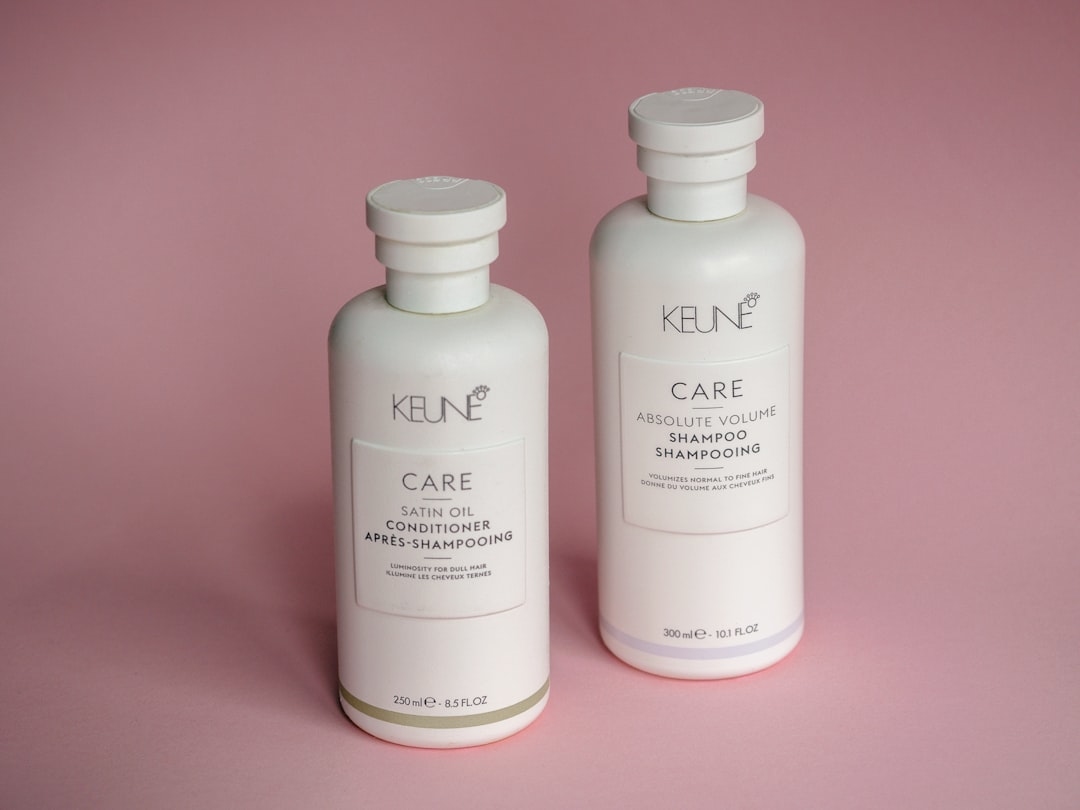
This professional perspective aligns with what budget-conscious readers discover: expensive doesn’t equal effective. A structured approach using mid-range products produces visibly softer, shinier bleached hair within three to four weeks.
Timeline: When You’ll See Results
Realistic expectations matter. Bleached hair doesn’t transform overnight, but meaningful improvement appears faster than many expect.
- Week 1-2: Hair feels slightly softer after conditioning. Shine improves minimally. Breakage may continue if hair was severely damaged.
- Week 3-4: Noticeable softness throughout the length. Tangles reduce. Shine increases noticeably.
- Week 5-8: Hair feels genuinely silky. Breakage drops significantly. Colour appears richer due to improved light reflection.
- Week 9-12: Hair reaches maintenance level softness. New growth appears healthier. Condition stabilises if the routine continues.
These timelines assume consistent weekly treatment and reduced heat exposure. Skipping treatments delays improvement by several weeks.
Practical Tips for Maximum Results
Temperature Matters
Rinse all treatments with lukewarm to cool water. Hot water opens cuticles and allows moisture to escape. This single change—switching from hot to cool rinses—produces visible improvement within one week.
Timing Beats Frequency
A treatment left on for 30 minutes weekly beats the same treatment left on for five minutes daily. Duration allows ingredients to penetrate the cortex. If time constraints exist, fortnightly 60-minute treatments outperform weekly 10-minute ones.
Scalp Matters Too
Bleached hair starts at the scalp. A healthy scalp produces sebum that travels down the hair length, providing natural protection and moisture. Massage your scalp daily for 60 seconds to stimulate sebum production and improve circulation.
Hydration Works from Inside Out
Drinking adequate water—roughly two to three litres daily—supports moisture retention in hair. This isn’t a substitute for topical treatments, but it’s foundational. Dehydrated bodies produce less sebum, leaving bleached hair even drier.
Trim Regularly
Split ends travel upward, making hair feel progressively rougher. Trim 5mm every six to eight weeks, more frequently if you use heat regularly. Removing damaged ends prevents the deterioration from spreading and makes remaining hair feel noticeably softer.
Common Mistakes That Sabotage Your Efforts
Using too much protein: Weekly protein treatments sound logical but often backfire. Excessive protein creates stiffness and brittleness. Limit protein treatments to every two to three weeks unless your hair was bleached with 40+ volume developer.
Skipping the scalp: Many people apply treatments only to lengths, ignoring the scalp. This creates imbalanced moisture distribution. Apply treatments to the full length, including the scalp area.
Brushing wet hair: Wet bleached hair stretches and breaks easily. Use a wide-tooth comb on damp hair, starting from the ends and working upward. Never brush soaking-wet hair.
Sleeping on cotton pillowcases: Cotton absorbs moisture from hair and creates friction, increasing breakage and frizz. Switch to silk or satin pillowcases, which cost £8 to £15 and last several years. This single change improves softness noticeably.
Using one-step products: “2-in-1 shampoo-conditioner” products don’t work effectively on bleached hair. Shampoo needs surfactants to clean, while conditioner needs time to penetrate. Combining them forces compromises that bleached hair can’t afford.
FAQ: Questions Readers Actually Ask
How long does bleached hair stay soft if I maintain it properly?
With consistent treatment, bleached hair maintains softness and shine for 12 to 18 months before requiring re-bleaching. Once you reach the colour you want, maintenance is significantly simpler than initial processing. Most people re-bleach only the new growth every six to eight weeks, leaving previously bleached hair undisturbed.
Can I use natural oils instead of buying expensive treatments?
Partially. Coconut, argan, and jojoba oils deliver moisture but lack the protein structure bleached hair needs. Use oils as a supplement to proper treatments, not a replacement. A realistic approach: use affordable conditioner as your base, then add oil for the final softness boost.
Will these methods work on heavily damaged, over-processed hair?
Severely over-processed hair—crispy, snapping, with significant breakage—requires a different approach. Standard treatments help but may not fully restore softness. Consider professional protein treatments at a salon (£25 to £50 per session) monthly alongside home care. Some stylists recommend cutting off the most damaged portions to reveal healthier hair beneath, which paradoxically results in longer-looking hair that feels noticeably softer.
How do I know if my hair needs protein or moisture right now?
Perform a simple test. Stretch a wet strand of hair gently. If it snaps immediately, your hair needs protein. If it stretches extensively then snaps, it needs moisture. If it stretches moderately and returns to original length, your hair is balanced.
Can I make bleached hair soft without spending much money?
Absolutely. The most expensive product doesn’t guarantee the best results. Consistency, correct technique, and understanding hair’s actual needs matter infinitely more than brand prestige. Budget readers can achieve genuinely silky bleached hair spending £5 to £6 weekly. The key: identify products that work for you, then commit to the routine for at least four weeks.
Moving Forward: Your Action Plan
Soft, silky bleached hair isn’t luck—it’s the result of understanding what bleaching does, then systematically reversing those effects. Start this week by switching to sulphate-free shampoo and cool-water rinses. Next week, add a protein or moisture treatment matching your hair’s needs. By week four, you’ll notice genuine softness returning.
The routine compounds over time. Hair that’s soft after four weeks becomes silkier after eight. The initial investment in learning and implementing proper care pays dividends for the entire lifespan of your bleached colour.
Track your results. Notice how your hair feels, how it reflects light, how easily it tangles. Document these observations and adjust your routine accordingly. What works for someone else might need tweaking for your specific hair texture and damage level. The goal is discovering your personal formula, then protecting it fiercely.